
Allotments
How Allotment Plots Work in Italian Cities
A look at how municipalities assign and manage allotment plots, the rules governing plot holders, and how waiting lists operate in practice.
Documenting how municipalities assign plots, how residents compost, and how urban green initiatives take shape in cities across Italy — from Turin to Palermo.
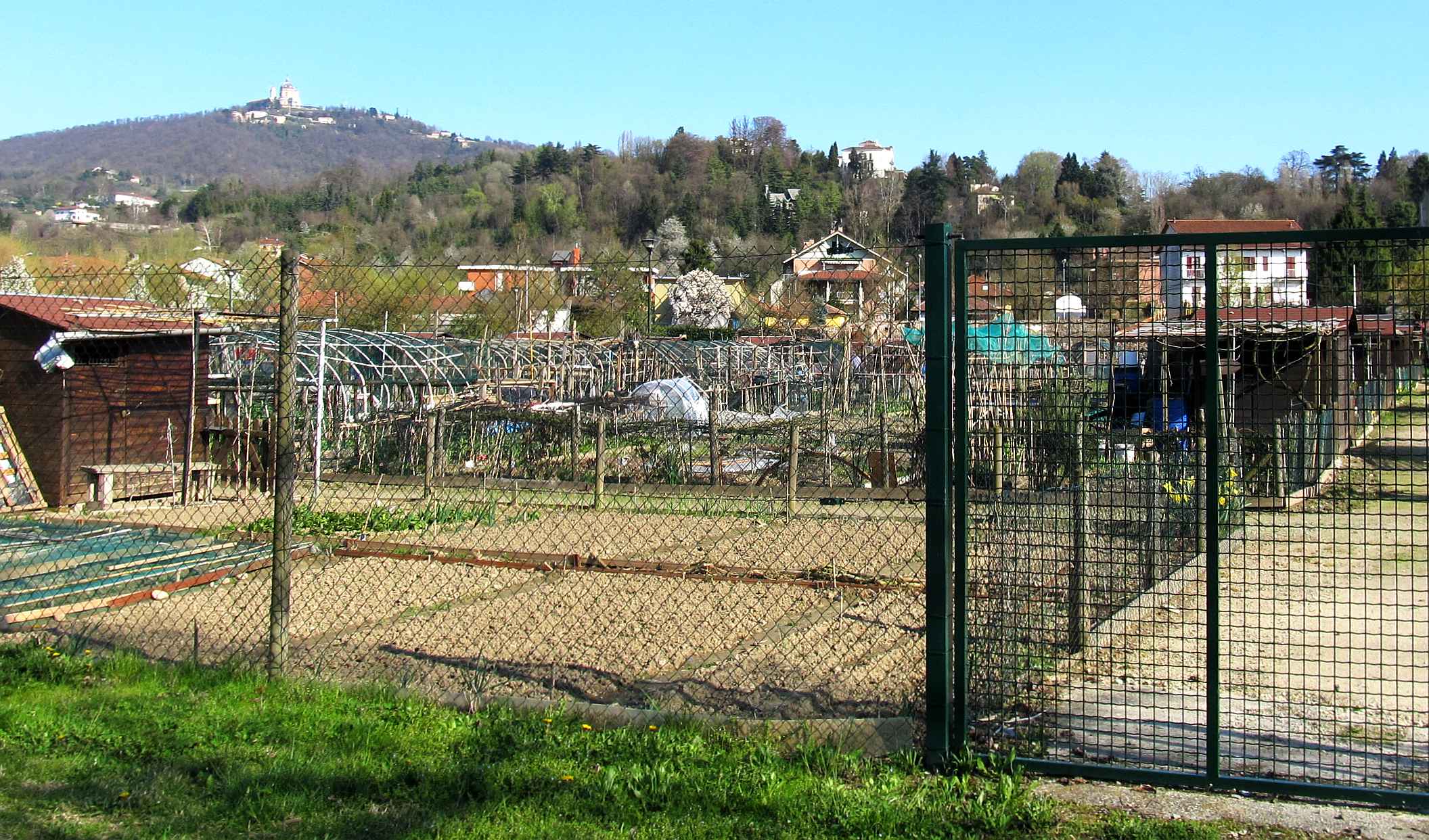
Italian municipalities manage waiting lists and tenure agreements for urban allotment plots through local civic offices and green space departments.
Community composting is integrated into many shared garden sites, with separate organic waste streams managed collectively by plot holders.
Neighbourhood associations and municipal parks departments coordinate volunteer schedules, seasonal plantings, and educational events for local residents.
In-depth articles on allotment management, composting infrastructure, and community green space participation in Italy.
A look at how municipalities assign and manage allotment plots, the rules governing plot holders, and how waiting lists operate in practice.
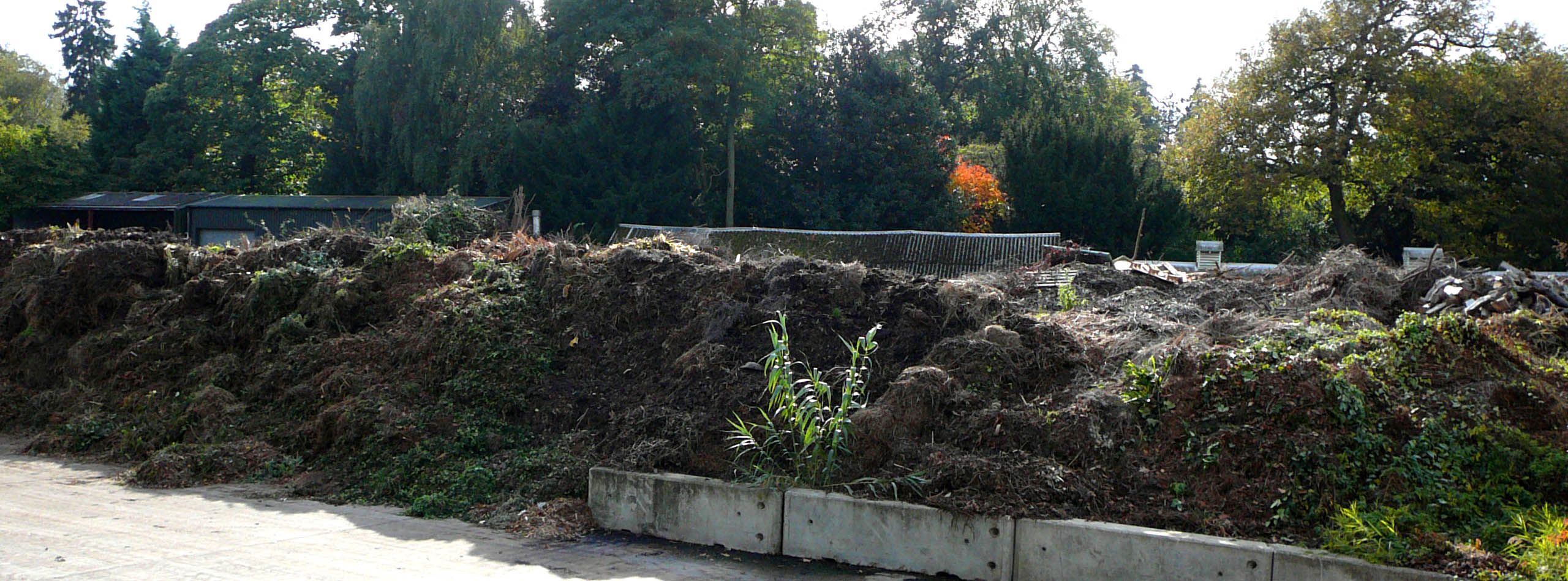
How shared composting works at urban garden sites — collection points, turning schedules, and the role of plot holders in managing organic matter.
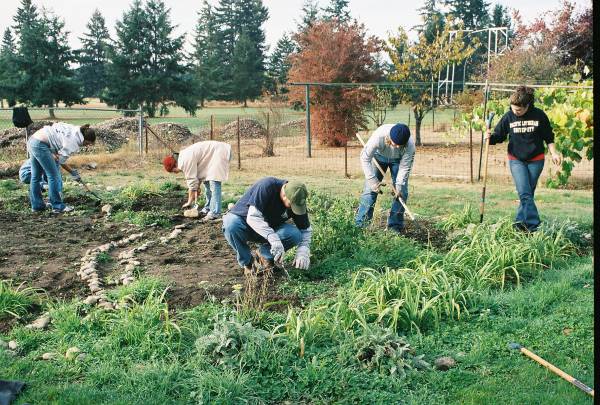
How residents in Italian cities get involved in green urban projects — from neighbourhood association events to municipal volunteer programmes.
A broad view of how Italian cities approach the allocation of green space, management of shared gardens, and integration of urban agriculture into neighbourhood planning.
Italian local authorities typically govern allotment sites through specific municipal regulations (regolamenti comunali) that define plot sizes, permitted crops, maintenance obligations, and conditions for plot renewal or forfeiture. These documents are generally available through the relevant municipality's green space or environment department.
Several Italian cities have developed networks linking individual community garden sites, allowing knowledge-sharing between site managers and coordinating collective purchases of compostable materials or tools. These networks often operate informally through neighbourhood associations or are supported by municipal sustainability offices.
Urban allotment activity in Italy follows defined seasonal rhythms. Plot preparation typically begins in late winter, with the main growing season running from spring through autumn. Many sites hold open days during these transitions, giving prospective plot holders the opportunity to see operations firsthand before joining waiting lists.
Shared composting bins at urban garden sites are typically managed by a designated site coordinator who monitors temperature, moisture, and turning frequency. In some larger sites, separate streams exist for green waste, kitchen scraps, and cardboard, with finished compost distributed to plot holders at the start of each growing season.
For editorial enquiries, corrections, or information about community garden sites covered on this site, use the form or the contact details below.
Content on this site is for informational purposes only. External links lead to third-party sources. Elm Garden Post is not affiliated with any municipality or government body.