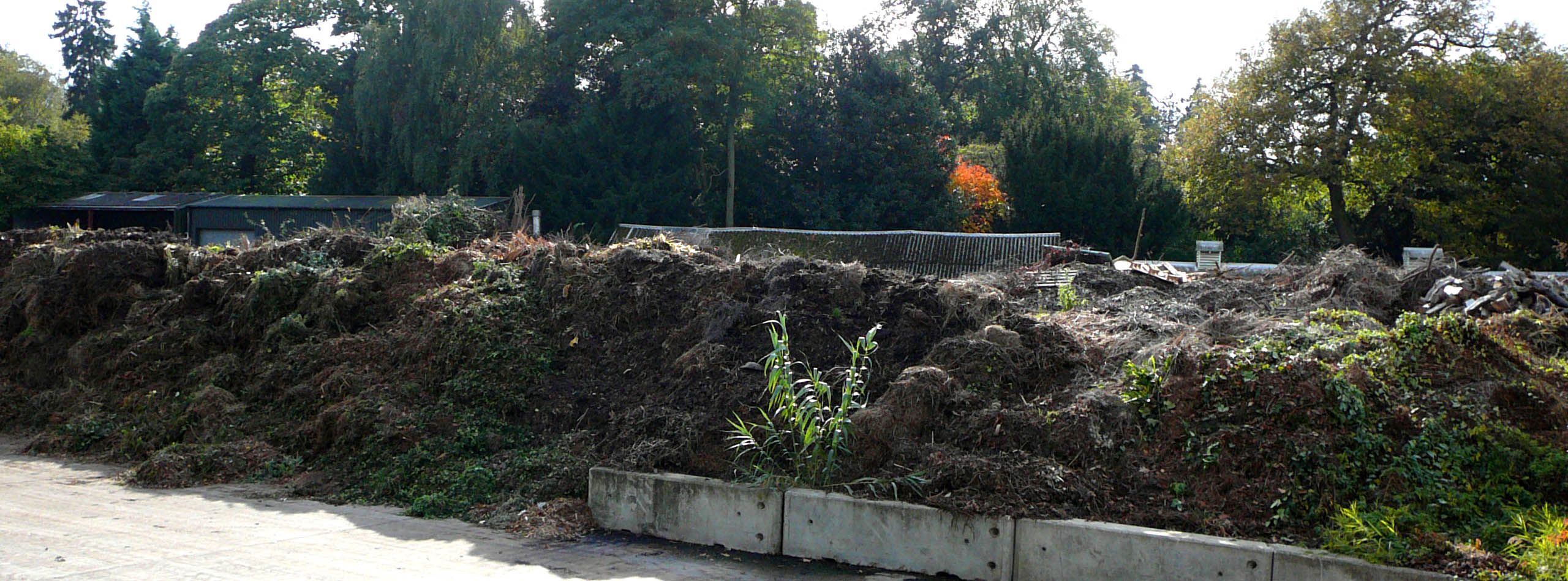
Composting at urban community garden sites in Italy typically operates as a shared responsibility among plot holders, coordinated by a designated site manager or composting volunteer. The physical infrastructure — bins, bays, or open piles depending on site size — is usually provided and maintained by the municipality or the site's managing association.
Infrastructure Types
The type of composting infrastructure present at a site depends largely on the site's size and the resources of its managing body. Smaller urban garden sites may have a single enclosed bin or a two-bay system. Larger sites often use open windrow composting — elongated piles turned mechanically or by hand at intervals — which processes larger volumes of material more efficiently.
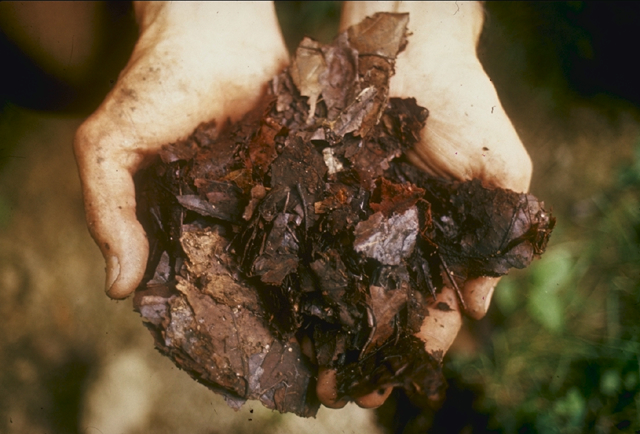
At some well-equipped sites, separate bays are used for different stages of decomposition: one bay for fresh inputs, a second for material in active decomposition, and a third for finished or near-finished compost. This staged approach reduces the risk of immature compost being used on plots before it is ready.
What Goes In
Italian urban allotment regulations commonly specify what materials are permitted in shared composting systems. Acceptable inputs generally include:
- Plant residues from plots — leaves, stems, roots, spent crops
- Uncooked kitchen scraps — fruit and vegetable peelings, coffee grounds, eggshells
- Cardboard and uncoated paper in small quantities
- Grass clippings and small amounts of fresh green material
Materials that are typically excluded from shared systems at urban garden sites include cooked food, meat and fish scraps, dairy products, diseased plant material, and anything treated with chemical pesticides or synthetic fertilisers. These exclusions are consistent with general composting guidance and with the conditions under which many urban allotment sites operate — where organic cultivation methods are required.
Management Responsibilities
At most Italian urban garden sites, a designated composting manager — often a plot holder who has volunteered for or been assigned the role — takes responsibility for the day-to-day operation of the composting area. Responsibilities typically include:
- Monitoring moisture levels and turning the pile at appropriate intervals
- Checking that inputs conform to the permitted materials list
- Notifying site management if problematic materials are added
- Assessing when batches of compost are ready for distribution
At smaller sites or those without a dedicated manager, these responsibilities may be shared informally among active plot holders, with a collective rota for turning and monitoring.
Carbon-to-Nitrogen Balance
Effective composting requires a workable balance between carbon-rich materials (brown inputs — dry leaves, cardboard, straw) and nitrogen-rich materials (green inputs — fresh plant matter, kitchen scraps). Urban garden composting systems tend to receive a higher proportion of green inputs during the growing season and more brown inputs in autumn when leaves fall. Site managers at larger sites typically keep a supply of brown material — wood chips, dried leaves, or shredded cardboard — to add when the pile becomes too wet or begins to produce odours.
Distribution of Finished Compost
Finished compost is generally distributed to plot holders at the start of the growing season — typically in late winter or early spring. The amount each plot holder receives may be proportional to their plot size or divided equally among active participants. At some sites, plot holders who contribute more consistently to composting duties — turning, monitoring, adding materials — receive a larger share of the finished product.
At sites with surplus compost, excess material is sometimes offered to the municipality for use in public green spaces or disposed of through the municipal organic waste stream.
Integration with Municipal Waste Policy
Urban composting at community garden sites intersects with Italian municipal waste management policy. Many Italian municipalities have introduced separate collection (raccolta differenziata) programmes that include organic kitchen waste. Community garden composting represents a decentralised element of this system, diverting organic material from the municipal collection stream and returning it to local growing sites.
Some municipalities formally recognise this contribution by providing composting infrastructure, technical guidance, or small financial support to urban garden sites that operate composting systems meeting defined criteria. The specifics vary by city.