
Urban allotments in Italy — often referred to as orti urbani or orti comunali — are managed by municipal administrations through dedicated departments, typically within the city's green spaces or environment office. The general framework is set by a municipal regulation (regolamento) that outlines eligibility, application procedures, plot obligations, and terms for renewal or termination.
Who Can Apply
Eligibility criteria differ between cities, but most Italian municipalities restrict allotment plots to resident adults, often with additional requirements. Applicants are typically expected to be registered as residents in the municipality. Some cities give priority to retired individuals or those on low incomes, though these priority categories are defined in each municipality's specific regulation.
Applications are usually submitted through the municipality's online civic services portal or in person at the relevant office. Applicants provide identification and, where required, documentation of their residency status or income level.
Waiting Lists and Assignment
In cities where demand for allotment plots exceeds availability — which is common in northern Italian cities with established programmes — waiting lists are maintained. The list is typically ordered by application date, with priority criteria applied where the municipal regulation specifies them.
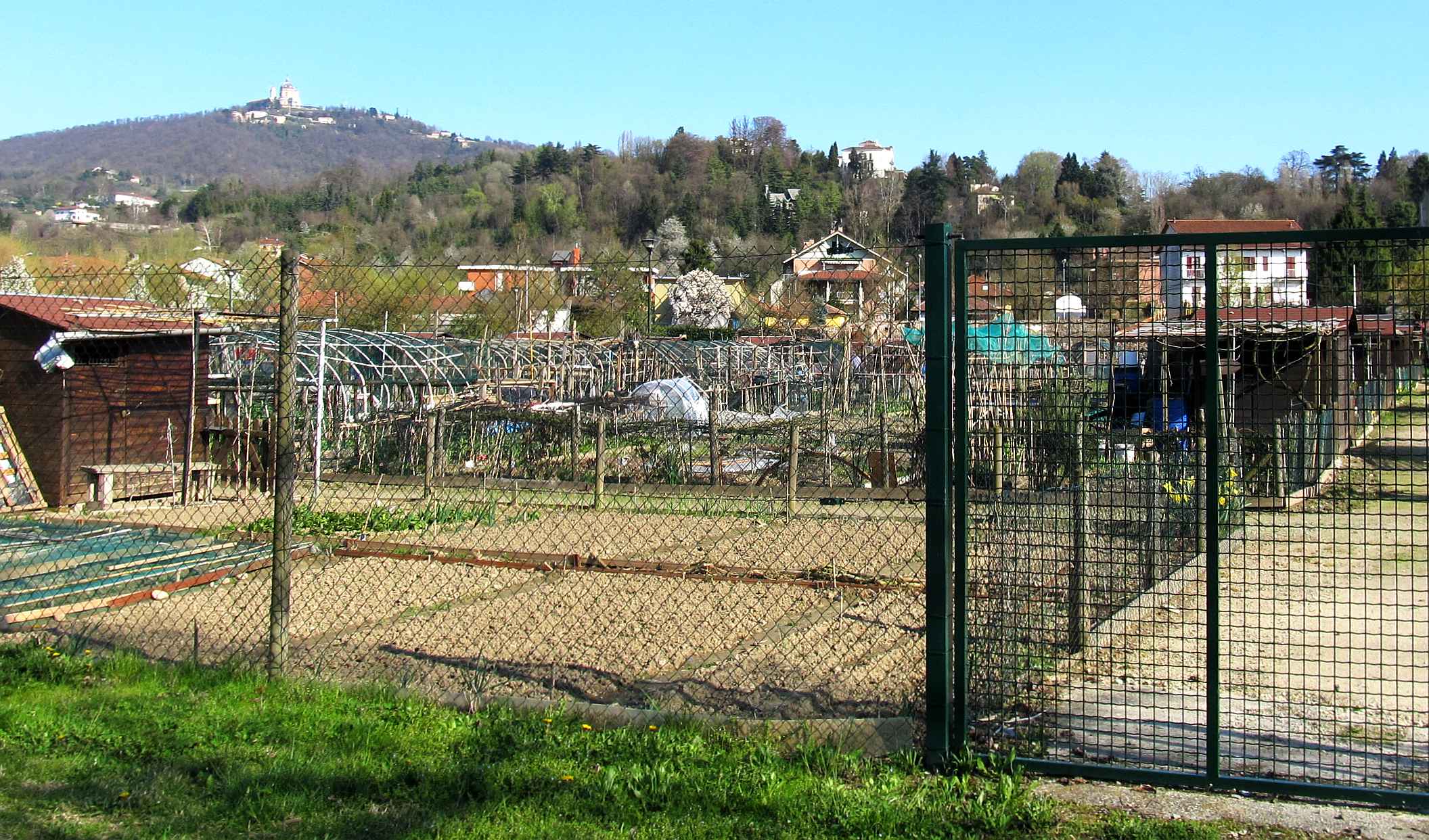
Turin's allotment programme at Parco del Meisino, for example, is one of the more documented urban garden sites in northern Italy, operating within the park's designated urban garden area. The municipality manages the waiting process through the relevant green space office.
When a plot becomes available, the next eligible applicant on the list is notified and offered the assignment. If the offer is declined, the applicant may be moved to a lower position on the list or removed, depending on the regulation.
Plot Sizes and Layout
Plot dimensions in Italian urban allotment sites are generally standardised within each site, though they vary between cities and even between different sites within the same city. Typical urban allotment plots in Italian programmes range from around 30 to 100 square metres. The municipal regulation defines the permitted dimensions, and individual plots are usually numbered and mapped within the site plan.
Shared infrastructure — such as water access points, tool storage, composting areas, and paths — is managed collectively by the site or by the municipality, and is available to all plot holders.
Tenure Agreements and Obligations
Plot assignment is formalised through a written agreement between the municipality (or site manager) and the plot holder. This document sets out the duration of the assignment (commonly one to three years, with the possibility of renewal), the permitted and prohibited uses of the plot, and the conditions under which the agreement can be terminated.
Standard obligations across Italian allotment programmes typically include:
- Maintaining the plot in active cultivation — allowing it to become overgrown or abandoned is usually a ground for forfeiture
- Using only permitted growing methods — most urban allotment regulations prohibit chemical pesticides and synthetic fertilisers
- Contributing to shared maintenance tasks — path clearing, common area upkeep, and composting duties
- Not subletting or transferring the plot to another person
- Complying with site opening hours and access rules
Renewals and Forfeiture
At the end of a tenure period, plots are reviewed before renewal. The municipality or site management checks whether the plot has been maintained and whether the holder has met their obligations. In practice, renewal is often routine for active plot holders, but municipalities do reclaim plots that have been left uncultivated or where the holder no longer meets eligibility criteria (for example, if they have moved out of the municipality).
Grounds for forfeiture before the end of a tenure period typically include prolonged absence from the plot, use of prohibited substances, or violations of the site's rules of conduct. The process for forfeiture is set out in the municipal regulation and generally includes a notice period.
Variations Between Cities
While the general framework described above appears across many Italian urban allotment programmes, specific details vary considerably. Bologna, for instance, has structured its urban garden programme within a broader municipal sustainability framework, with site-level committees playing an active role in management. Florence hosts garden areas within its botanical and horticultural garden history, with sites like the Giardino dell'Orticoltura having distinct characteristics from purely municipal allotment plots.
For precise details of the rules applying to a specific site or municipality, the relevant municipal regulation is the authoritative source. These documents are generally available through the municipality's official website or the green space department.
External References
For broader context on urban agriculture policy in Italy and Europe, the following sources provide relevant background: